Should You Finance Home Repairs With Your Mortgage or Pay Later?
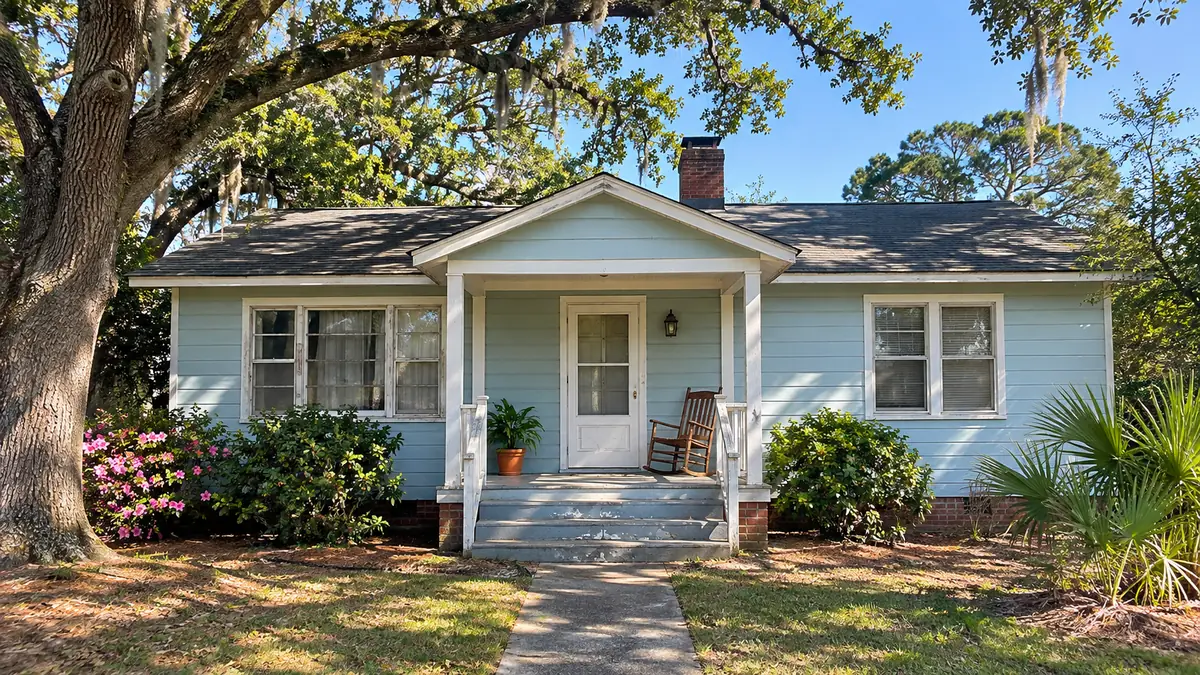
AI-generated illustrations for this guide.
A South Carolina homebuying guide
Look at a renovation loan if the home needs work right away and you want to pay for it through the mortgage. Buying the home and paying for repairs later may make more sense if it can qualify as it sits, the work can wait, and you’ll still have enough cash.
Start with the work the home needs. Then compare what each choice would cost at closing, each month, and when it’s time to pay the contractor.
Can you buy the home now and fix it later?
Maybe. A dated kitchen and worn floors can often wait. If the home has serious damage or a safety issue, show the lender the inspection findings early. For example, Fannie Mae’s property rules allow an appraisal in the home’s current condition when the issues are minor. Problems that affect safety or the structure can trigger required repairs.
Ask which work the lender needs done for the loan and when it must be done. If the seller can finish that work in time, you may still be able to use a regular purchase loan. If the seller won’t do it, ask about a renovation loan before you count on fixing it yourself after closing.
Can you roll repair costs into your mortgage?
Yes, if the home, work, and loan qualify. A renovation mortgage can cover the purchase and approved work in one loan. You’ll need a clear plan and a written bid early. The lender uses those details to review the loan. It holds repair funds in a separate account and pays them out under the loan’s rules. See how this works in HUD’s FHA 203(k) steps, HUD’s closing guide, and Fannie Mae’s HomeStyle payment rules.
Which renovation loan fits the home and the work?
FHA 203(k). For a home you plan to live in. Limited 203(k) can cover eligible smaller, nonstructural work. Standard 203(k) can cover larger work, including eligible changes to the structure, and requires a 203(k) consultant. See our South Carolina FHA 203(k) guide and HUD’s guide to the two types.
Fannie Mae HomeStyle Renovation. A conventional option that can cover approved work on a main home, an eligible one-unit second home, or an eligible one-unit rental. Ask if it’s available for your purchase and which work the lender can include. See Fannie Mae’s rules for eligible homes.
Get the full bid before you decide how much to borrow. Ask which fees and repairs the loan can cover, when the contractor can get paid, and where you’ll live if the home can’t be used during the work. For HomeStyle, the appraisal estimates the home’s value once the work is done. Ask how that value affects the loan before you count on financing the whole bid.
Ask for a bid that separates work the home needs now from updates you could do later.
When does it make sense to pay for repairs later?
Paying later may fit when the home qualifies in its current shape and you can live with it while you save. You can spread out the work and pay cash as you go. Check what you’ll have left after closing and moving. Keep room for a surprise bill before you set a start date.
If you plan to borrow later, price that option before you buy. A home equity line of credit uses your home as security. You’ll need enough equity, the share of the home’s value left after what you owe, and you’ll need to qualify. The rate and payment can change. If the work can’t wait, make a plan that works even if you can’t get a credit line right away.
How do the costs compare on the same home?
Suppose the home needs $20,000 in work and you expect to have $30,000 left after a regular purchase closes. If you pay the whole bid from savings, you’d have $10,000 left before moving or paying for any surprises. If the work can wait, you could split it into stages and keep more cash on hand.
With a renovation loan, the approved work could go into the mortgage. Run the numbers again using that loan’s own cash to close and monthly payment. A larger loan can mean more interest over time, and some costs may still come out of your pocket. The CFPB’s guide to comparing Loan Estimates shows where to find and compare those costs.
Ask for both sets of numbers if the home and your plans fit both paths. Put the same repair bid next to each one. Compare your cash left after closing, monthly payment, when the work can start, and what happens if the bid goes up.
Common questions about paying for repairs when you buy
Do I need a contractor bid before closing?
Plan on getting a written bid early if you want to roll the work into the loan. Ask the lender what it needs from your contractor and when the bid is due. The HomeStyle rules show how the lender uses the plans and costs to review the loan.
Will a renovation loan pay for every repair?
The lender reviews the work and how much it can lend. Ask for a list of the work and fees it can include. Budget for anything you’ll have to pay on your own. HUD lists examples of work that may fit FHA 203(k).
Can I use a renovation loan on a second home?
HomeStyle may be an option for an eligible one-unit second home. If you’re looking at a condo, ask about the building and which work the condo rules allow. See Fannie Mae’s rules for second homes and condos.
Share the address, the price, and what the home needs. Bring a bid if you have one. We’ll help you see what you may be able to finance, what you’ll need at closing, and how much cash you could keep for the work.
General education. Loan terms and eligibility depend on a full review. Beaufort Lending, NMLS #1703543. Equal Housing Opportunity.
About Benji Gecy (NMLS #302188)
Benji Gecy is the Broker and Owner of Beaufort Lending and a recognized leader in the mortgage industry. A South Carolina native, Benji launched his lending career in 1997 and has since helped thousands of families buy homes across the Palmetto State.
When he's not helping clients, you can hear him talking shop on 104.9 The Surf, 107.5 The Game, or WHHI-TV in Hilton Head.