
Buying a Historic Home in Beaufort? What to Check and How to Finance Repairs
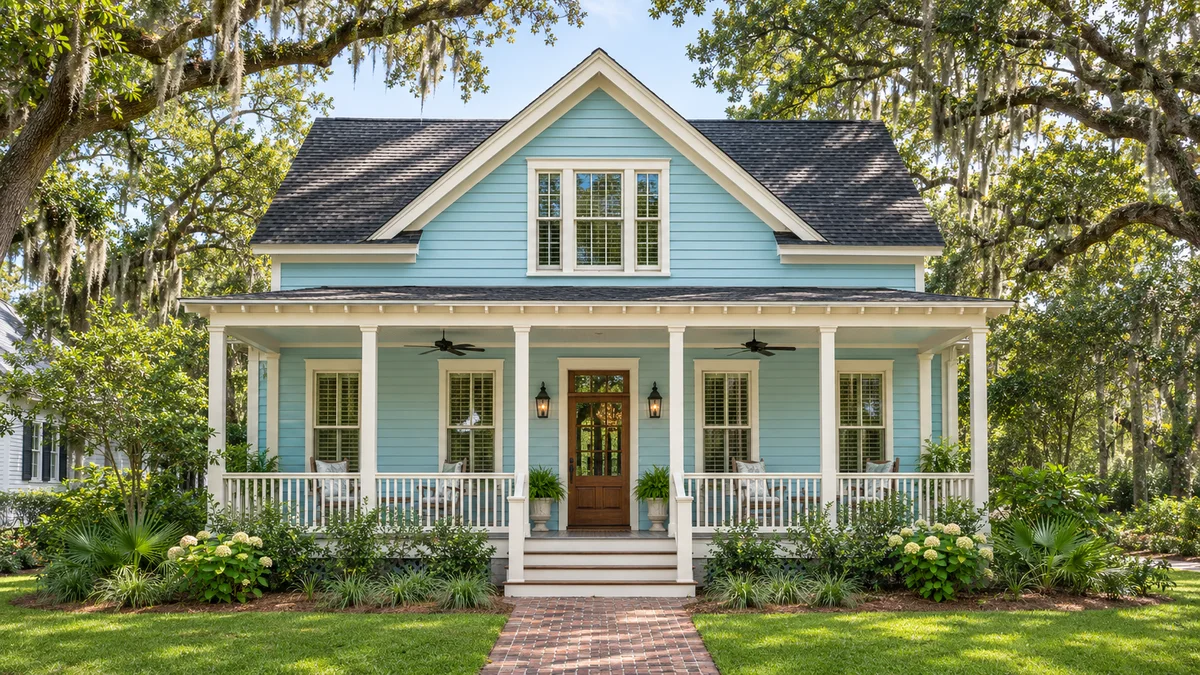
AI illustration of a Lowcountry cottage with a covered front porch.
Before you buy a historic home in Beaufort, check what the city will let you change, what the house needs, and what your loan can cover. Start with the address and the repairs you have in mind. Get a written bid for the work, then ask your lender which repairs can happen after closing.
What should you check before you buy?
- Check the address with City Planning. Use the city’s Historic District map, then ask staff to confirm what applies to the property. The city lists renovations, additions and site work among the projects that need a Certificate of Appropriateness in the district. Ask about the exact job, such as fixing porch steps or replacing windows, and whether you also need a building permit. Find out who reviews the work and when. City of Beaufort Historic District rules and maps.
- Find out what the house needs now. Ask your inspector to look closely at the roof, crawl space, porch supports and signs of water or termite damage. If you see sagging floors or the inspector flags a problem with the structure, get a specialist’s opinion before you price the repair. For a home built before 1978, ask for the seller’s lead paint disclosures and whether to get a lead inspection. EPA lead paint guidance for buyers.
- Check flood risk and get insurance quotes. Look up the property on the flood map. Ask the city whether the work you plan could trigger extra floodplain rules. Get home and flood insurance quotes for that address and ask what coverage you can get while repairs are underway. City of Beaufort flood guidance.
Get a bid before you choose a loan
Ask your contractor to list each job, the materials, and the price. Have them flag work that could change once they open a wall or look under the porch. Ask what permits and reviews could add to the cost or timeline. Keep room in your budget for surprises and a place to stay if you can’t move in right away.
Suppose the front porch needs new floorboards. If the supports are sound, the work may fit a loan for smaller repairs. If the posts or beams are rotted, fixing them may mean structural work and a different loan. Ask the city what materials it will allow and send the contractor’s bid to your lender before you settle on a plan.
Which loan fits the work?
- A purchase loan and repairs later. If the home meets the loan’s property rules as it stands, you can compare a regular purchase loan and pay for optional work later. Ask your lender which repairs must be done before closing. Then check whether you’d have enough cash left for the work.
- FHA Limited 203(k). This can combine the purchase and eligible nonstructural repairs in one mortgage. HUD allows up to $75,000 in total rehab costs under Limited 203(k). Ask whether your work and timeline fit, even if your bid is under that amount. HUD’s guide to Limited and Standard 203(k).
- FHA Standard 203(k). Compare this option if the home needs work on the structure, such as replacing a damaged support beam. HUD requires at least $5,000 in repairs and a 203(k) consultant. Ask how the lender will review the plans and the home’s value after the work. HUD’s rules for Standard 203(k) repairs.
- Conventional renovation financing. Ask whether Fannie Mae’s HomeStyle Renovation is available for your plan. It can include eligible repairs in a purchase mortgage. The lender reviews the bid and plans and uses an appraisal based on the home as it would be after the work. Fannie Mae’s HomeStyle guide.
Before your contract deadlines, ask your agent and lender what needs to happen before closing. Find out when the city needs to sign off, what the lender needs from your contractor, and how the contractor will get paid as work is done.
More help with buying and fixing up a home
Found a historic home? Let’s talk through the repairs
Share the Beaufort address and the work you have in mind. We can help you compare ways to pay for the home and the repairs before you make an offer.
Beaufort Lending, NMLS #1703543. Equal Housing Opportunity.