

Compare a rental-focused income review
Some DSCR paths focus on supported property rent instead of a standard personal-income calculation. Other records and lender checks still apply.
Your DSCR rental loans guide
Look at the rent. Understand the loan. See what fits.
A DSCR loan looks at the rent a property can support compared with its loan payment and housing costs. We’ll help you explore purchase or refinance choices and put the rental numbers in context.
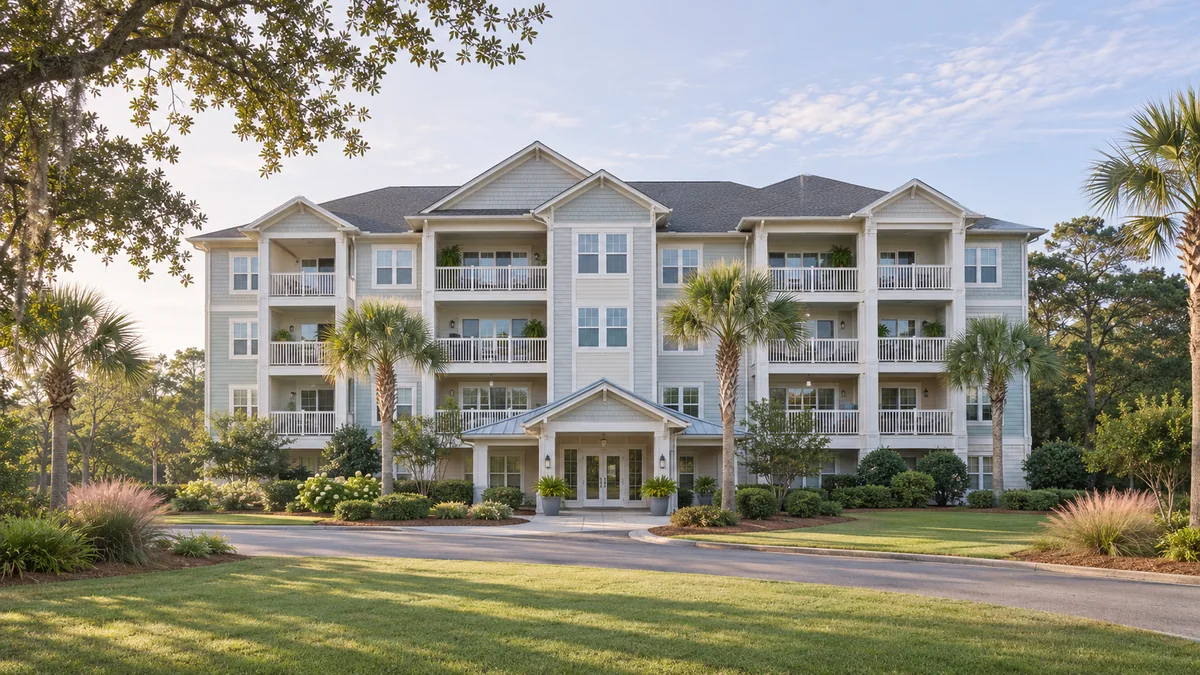
Your plans. Clear choices.
DSCR means debt service coverage ratio. It compares rent the lender can use with the property’s qualifying housing payment. Your credit, cash and the property still need review. Ask us which loan options may fit your rental plans. Rent covering the loan payment does not promise a profit.
Some DSCR paths focus on supported property rent instead of a standard personal-income calculation. Other records and lender checks still apply.

Ask about a purchase, changing an existing loan or taking cash out. Each purpose can have different costs and rules.

A year-round lease and vacation bookings need different income support. Tell us the real rental plan before choosing a loan.
The rent-coverage ratio does not include every bill or a guarantee of steady tenants. Plan for repairs, vacancies and management.
Ask us which lender paths can consider your property and plans. A loan summary cannot set the rent, cash needed or final terms for your situation.
Keep your whole plan in view
We’ll help you compare the payment, cash needed and savings you want to keep. Bring us your plans and the home you have in mind.
Ask about the down payment, fees, credit requirements and cash needed after closing. Some offers have changing rates, interest-only periods or early-payoff charges. Get the actual terms in writing and ask how the balance is repaid. No one ratio or credit score approves every DSCR loan.
A fixed-rate, fully repaid loan can keep principal and interest steady. An adjustable rate or the end of an interest-only period can change the payment. Taxes, insurance and dues can change too. Ask for the later payment before choosing a low starting one.
Add repairs, vacancy time, taxes, insurance, dues and management. For short stays, include cleaning, utilities and booking costs. The IRS rental-property guide covers common expenses and tax questions. Use actual quotes and ask a tax professional about your situation; a loan calculation is not a forecast of returns.
A clearer picture
Let’s talk through the details that matter to your plans, so you can compare your choices with clear answers.
Ask Your Mortgage QuestionsBuying a short-term rental with little or no booking history? Some lenders let us use an AirDNA report to help estimate rental income for a DSCR loan. AirDNA’s Rentalizer uses similar rentals to forecast revenue. We can check whether this option fits your property and loan. The lender decides which reports it accepts and how much projected income can count.
Tell us if you or family hope to stay in the property. Some DSCR programs exclude borrower or family occupancy. Do not assume a rental loan lets you use it as a vacation home. Ask about second-home or other financing when personal stays matter.
A Conventional lender may use supported rent along with your finances. Fannie Mae’s home-use guide explains how main homes, second homes and investment use differ. Compare the costs and records rather than assume DSCR is your only choice.
A house, condo, small rental building, mixed-use property or group of homes can need a different loan path. Ask about condition, insurance, ownership and unit count before making plans around one advertised program. A lender review does not grant rental permission.
Someone to help with the details
Start with your questions. We’ll help you understand what comes next and keep your plans moving.
The lender needs records that support the rent used in its calculation. For comparison, Fannie Mae’s Conventional rental-income guide shows why a Conventional loan can review rental income differently. Ask us to compare both methods.
Our team helps smooth out bumps, keeps you in the loop and explains your loan terms before you sign.
Your wish list leads the way
Compare the choices for your home and goals. We’ll help you understand how they fit together.
Compare a loan that reviews your personal finances and supported rental income. Ask about the down payment, loan costs and cash left after closing for the same property.
If your main goal is personal use, ask about a second-home loan. It has different occupancy and income rules. Explain any rental activity instead of relying on the name you give the home.
Tell us about repairs, the existing loan and any cash needed. A major rehab or cash-out plan may need a different review from a straightforward rental purchase. Compare keeping the loan too.
The people behind your next step
Beaufort Lending is a mortgage broker in Port Royal, helping buyers across South Carolina. We shop loans from wholesale lenders, then help you compare payments and closing costs. Our team explains your choices in plain words and helps you see what fits your budget. From your first questions to closing, you have people to turn to for help.

The administrative support at Beaufort Lending is exceptional as well, allowing the path to flow very smoothly.
They were clear, knowledgeable, and prompt in answering our questions at all hours.
Easy to communicate with, always available to answer any questions and provided a seamless experience.
Let’s clear a few things up
You can start the conversation before you choose your next step.
Ask Your Mortgage QuestionsIt means the rent used in that calculation equals the housing payment used in it. Repairs, vacancies and other costs can still leave a shortfall. The lender’s minimum ratio and rent method also depend on its program.
Some DSCR paths use property income instead of a standard personal-income review. That does not mean no paperwork. Ask which credit, cash, rent, property and ownership records the selected lender needs.
Some lenders accept rental history or an approved forecast, such as an AirDNA report, for short-term rentals. Ask us which option fits your property and loan. Local permission, HOA rules and personal use still matter. A forecast is an estimate, and the lender decides how much income it can use.
Share your finances, experience and property plans. Some loan paths may consider a first-time investor, while others have experience or reserve rules. We can help compare available options before you commit.
Provide the property address, price or loan balance, any lease or rental history, planned personal stays and the cash you want to keep. We can explain the next records and compare the loan choices.
The Learning Center
Explore useful questions and comparisons for your home plans.

More help with your plans
Compare South Carolina rental markets, then use a simple budget to check rent, vacancy, taxes, insurance, repairs, and financing at each address.
Read the guide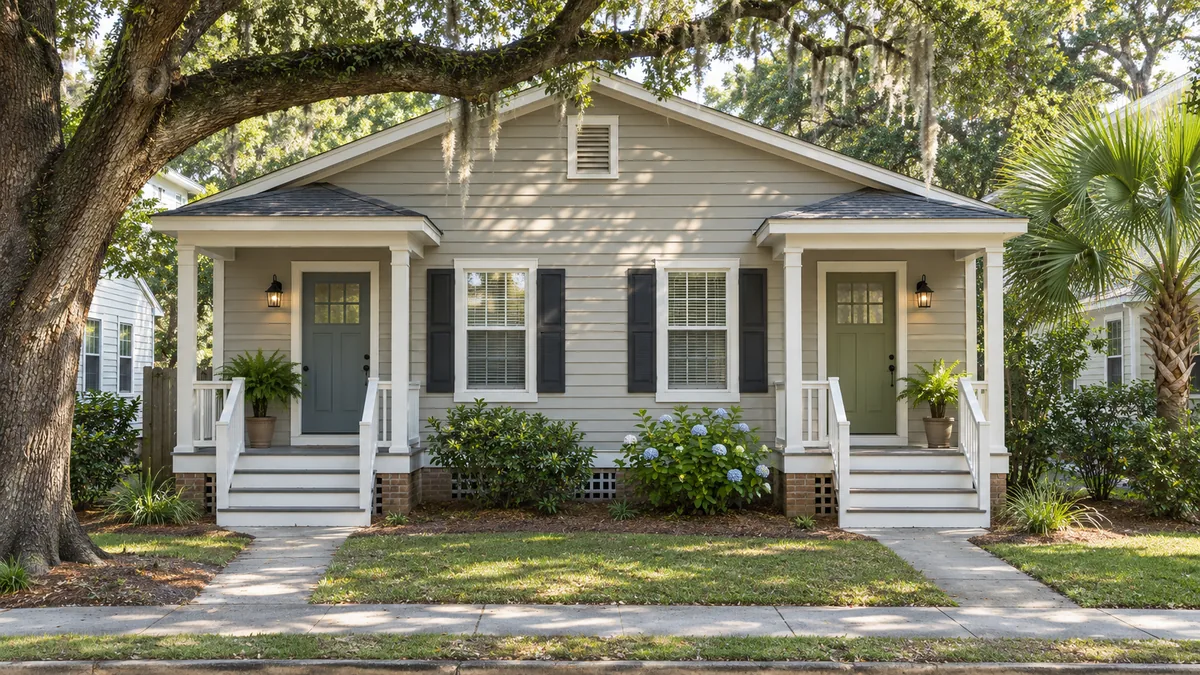
More help with your plans
See when a DSCR lender may use a signed lease, appraiser’s market rent, or short-term rental records, and how that choice can change your numbers.
Read the guide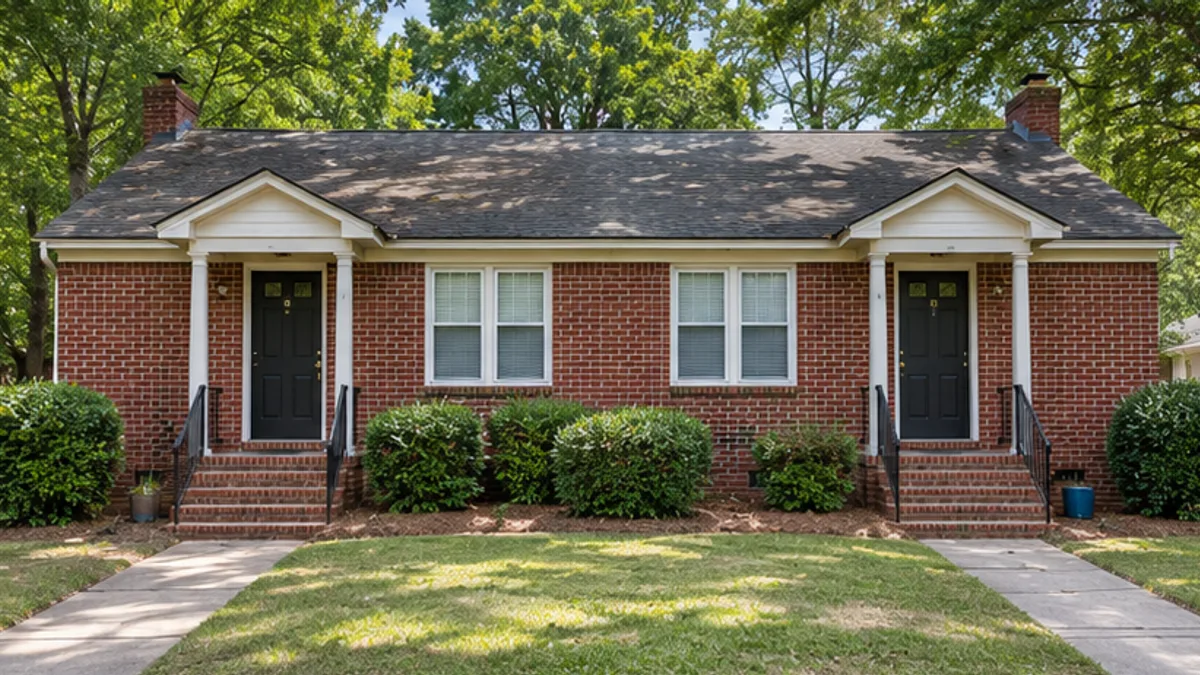
More help with your plans
Starting out in Columbia real estate? Compare ways to buy your first rental, use home equity, or live in one unit and rent another.
Read the guideTell us where you want to buy or own a home. We’ll help you connect your plans to the address.
Your next chapter
Bring us your questions and the plans you have in mind. We’ll explain your options and help you see a useful next step.