

Plan the lot and house together
Tell us whether you own land or still need to buy it. The land balance and site costs affect the plan.
Your Construction loans guide
From the lot you love to the home you imagine.
A construction loan may help fund an eligible home build in stages. We’ll help you compare the build budget, loan choices and mortgage for your finished home.
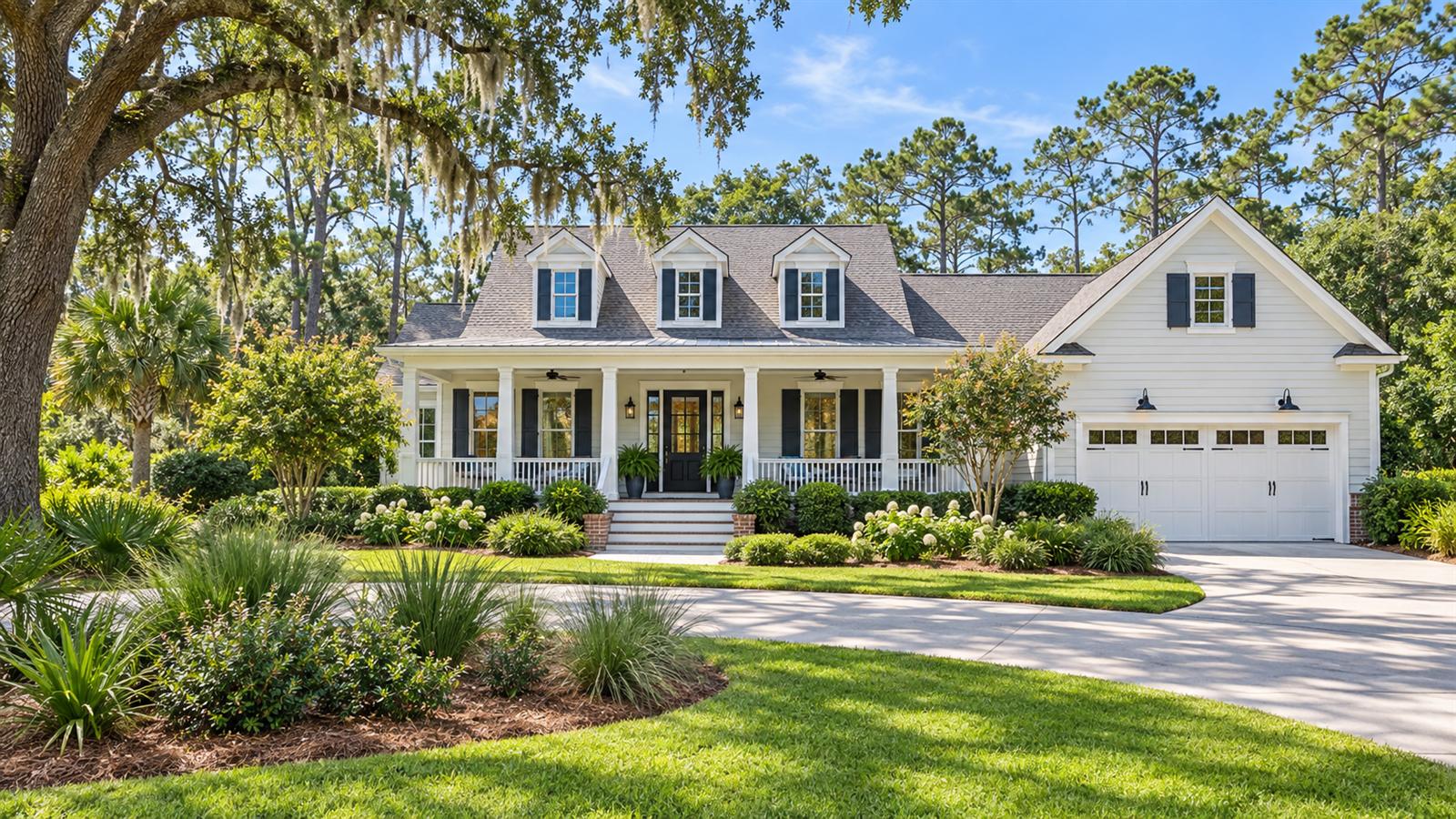
Your plans. Clear choices.
Your loan pays for the build in stages called draws. Once your home is ready, the loan can become a long-term mortgage or be paid off with a new one. See the CFPB construction-loan guide.
Tell us whether you own land or still need to buy it. The land balance and site costs affect the plan.

Draws release funds as work moves ahead. Ask how progress is checked before each payment.

Some plans cover the build and long-term loan together. Others need a separate mortgage later.
Compare the full build budget with buying a finished home or improving one in a place you love.
For one type of Conventional financing, Fannie Mae’s single-closing guide explains how land, construction and the long-term mortgage can fit together. That does not mean every lender offers the same terms.
Keep your whole plan in view
We’ll help you compare the payment, cash needed and savings you want to keep. Bring us your plans and the home you have in mind.
Add the lot, site work, utilities, permits, plans and chosen finishes to the budget. Include loan fees, insurance, taxes and a cushion for changes. Use the CFPB Loan Estimate guide to understand mortgage costs, then ask which project expenses sit outside the loan.
Ask how much cash the actual loan needs and whether equity in land you own can count. Equity is the value left after any land debt. Its treatment depends on the loan and appraisal; owning a lot does not automatically replace the whole down payment.
Many construction loans use interest-only payments on funds already drawn. Those payments can rise as more funds are released. Ask what your loan requires, when payments start and how to cover your current housing too. VA construction can follow different rules.
A clearer picture
Let’s talk through the details that matter to your plans, so you can compare your choices with clear answers.
Ask Your Mortgage QuestionsThe lender reviews your income, debts, credit and savings as well as the project. Expect to provide financial records along with the builder’s papers. The CFPB document guide explains why lenders ask for proof and may need more information. Ask which records your loan needs and how much cash you must keep.
Construction-to-permanent financing may combine both stages. Construction-only financing needs repayment or a separate end loan—the mortgage that pays off the build loan. Compare closing costs, future approval and rate risk. One closing does not promise no later fees or checks.
Get a detailed contract showing the work, materials, price and schedule. Check the builder’s credentials with the licensing office for the place you plan to build. The lender also has its own builder review. If you want to act as your own builder, ask first; that option is not available with every loan.
Before adding work, ask the builder and lender how a change affects the price, loan and finish date. Keep a backup housing plan. Fannie Mae’s construction financing FAQs show that even a single-close loan may need updated records or another review before the permanent terms begin.
Someone to help with the details
Start with your questions. We’ll help you understand what comes next and keep your plans moving.
Your builder’s plans and price help the lender review the project. Ask us which records your build needs. The CFPB construction-loan guide explains how funds may be released as work moves ahead.
Our team helps smooth out bumps, keeps you in the loop and explains your loan terms before you sign.
Your wish list leads the way
Compare the choices for your home and goals. We’ll help you understand how they fit together.
If you are eligible, compare a VA build with other financing. The VA purchase-loan overview includes building a main home. Ask which lenders offer the needed construction path; eligibility alone does not approve a project.
Love the location but want to change the house? A repair loan may suit that plan. HUD’s FHA 203(k) overview explains one purchase-or-refinance option for eligible work on an existing home. It is different from building on a vacant lot.
Buying a house the builder has already funded may let you use ordinary purchase financing. Compare the home, move-in date, payment and cash needed with your custom-build plan.
The people behind your next step
Beaufort Lending is a mortgage broker in Port Royal, helping buyers across South Carolina. We shop loans from wholesale lenders, then help you compare payments and closing costs. Our team explains your choices in plain words and helps you see what fits your budget. From your first questions to closing, you have people to turn to for help.

Gracie went above and beyond to make my home loan process smooth and stress-free after my previous lender kept delaying my closing.
They were clear, knowledgeable, and prompt in answering our questions at all hours.
His guidance made every step feel manageable, even when the situation changed quickly.
Let’s clear a few things up
You can start the conversation before you choose your next step.
Ask Your Mortgage QuestionsTalk with us before committing if you can. The site, land debt and cost to make it ready can change the financing plan. We can help you identify what a lender needs to review first.
Construction funds are usually released in stages as work moves forward. Ask who checks progress, approves each payment and keeps you informed. Read the draw plan with your builder before work starts.
Tell the lender about changes before agreeing to extra work. Ask whether you need more cash, whether the loan can change and how delays affect fees or rates. Extra costs are not automatically covered by the loan.
Ask before starting work or hiring trades. Some loans may consider an experienced owner-builder, while others require a separate builder. The lender’s rules and the credentials needed for the work both matter.
Tell us where you want to build, your budget and timing, and whether you own a lot. Share any plans or builder quote you have. We can explain the next records to provide and help compare the paths.
The Learning Center
Explore useful questions and comparisons for your home plans.
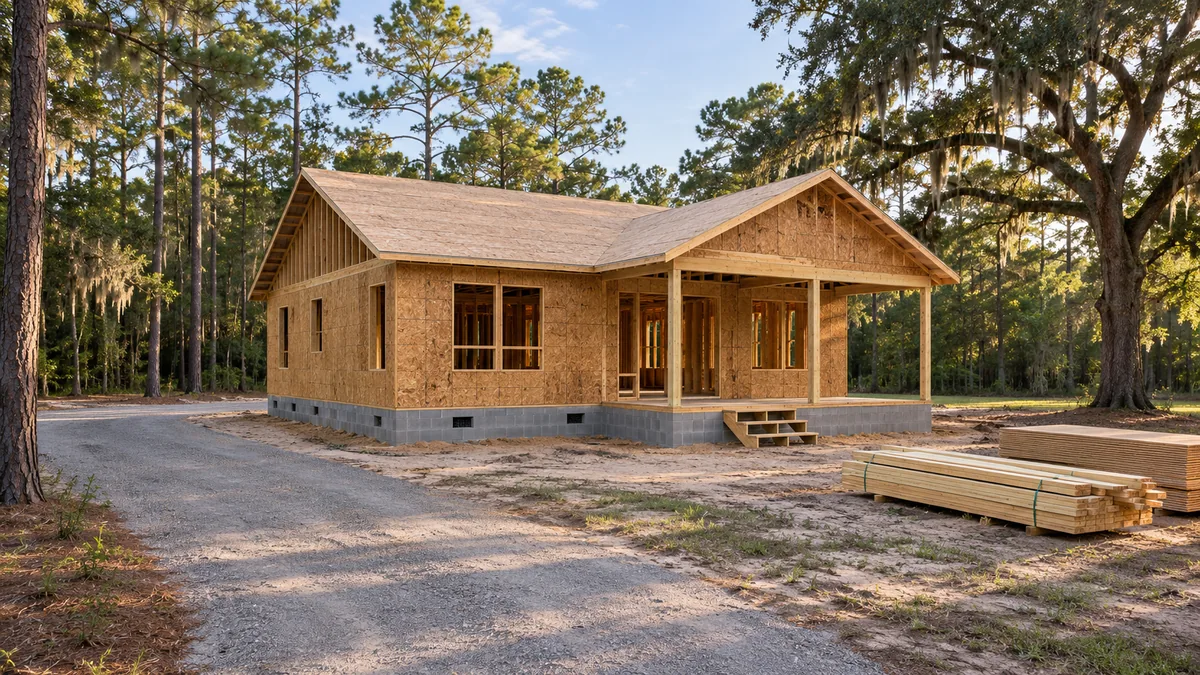
More help with your plans
See what to budget before buying a lot and building a home in South Carolina, from site work and utilities to permits, insurance, and cash for delays.
Read the guide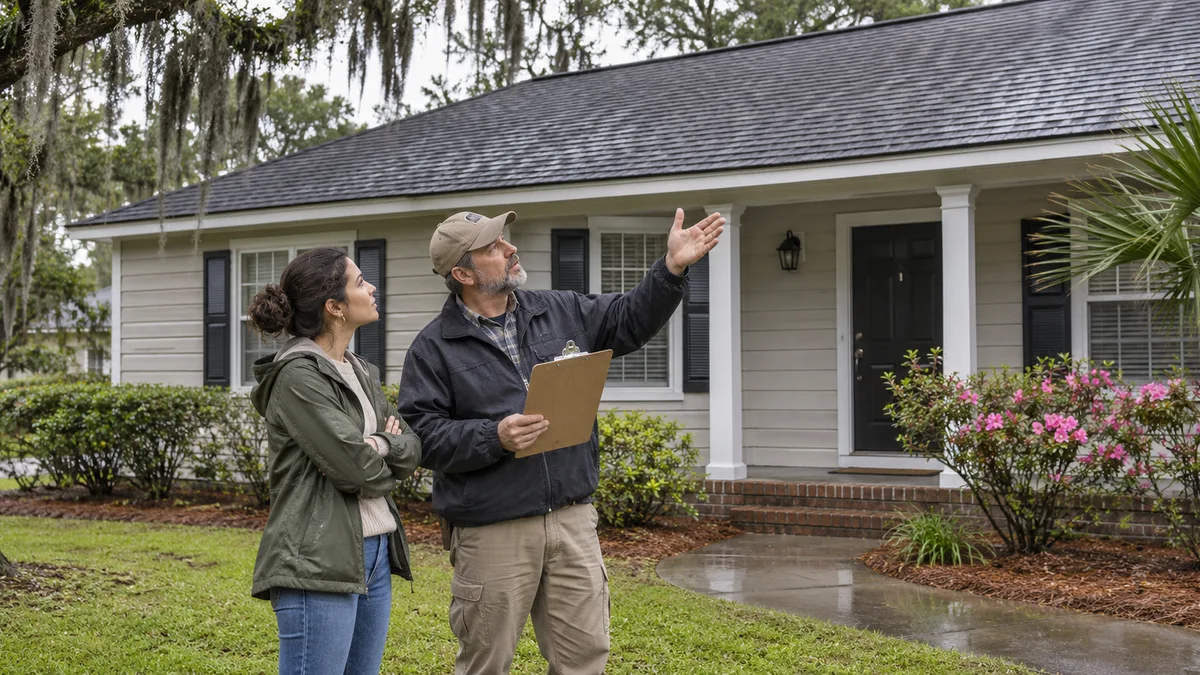
More help with your plans
See which repairs can delay an FHA or VA loan. Learn what to ask your lender about the appraisal and who can do the work before closing.
Read the guide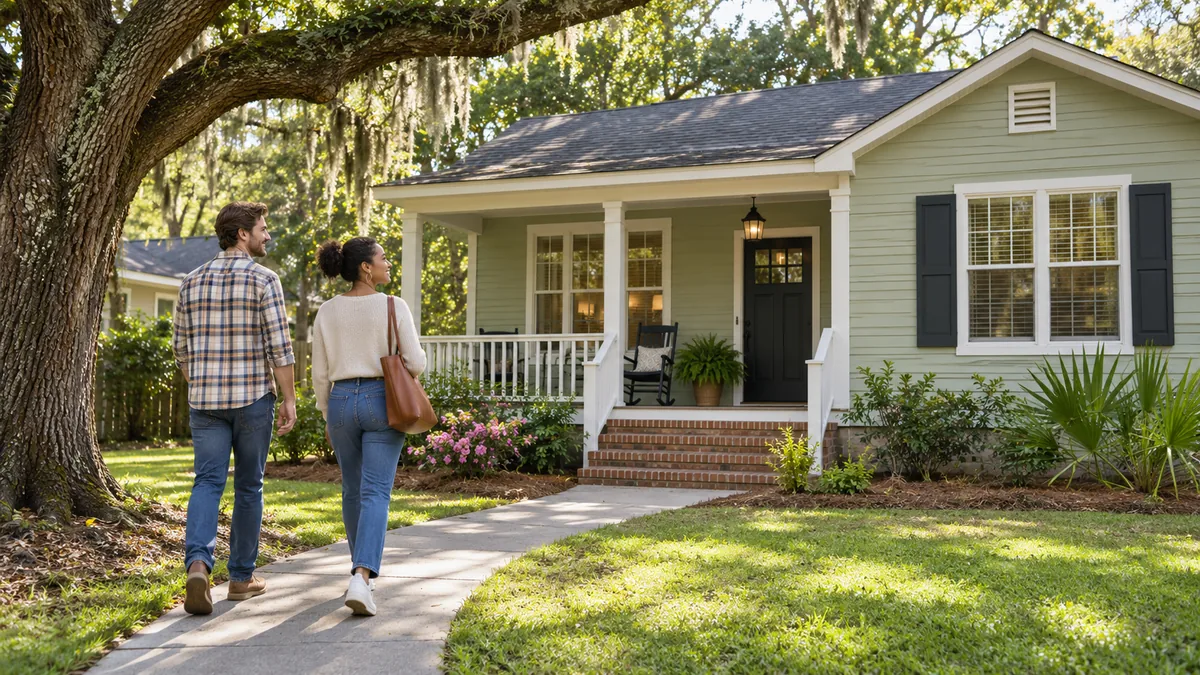
More help with your plans
Plan for your first South Carolina home with a $300,000 example that covers your deposit, closing costs, move and cash to keep in the bank.
Read the guideTell us where you want to buy or own a home. We’ll help you connect your plans to the address.
Your next chapter
Bring us your questions and the plans you have in mind. We’ll explain your options and help you see a useful next step.