

Explore your VA benefit
Many eligible buyers can buy without a down payment and without monthly mortgage insurance. The appraisal and available benefit still matter.
Your Zero-down-payment home loans guide
Explore a home purchase with no required down payment.
Eligible VA and USDA loans may let you buy a main home with no down payment. We’ll help you compare the program rules, full payment and other cash you may need.
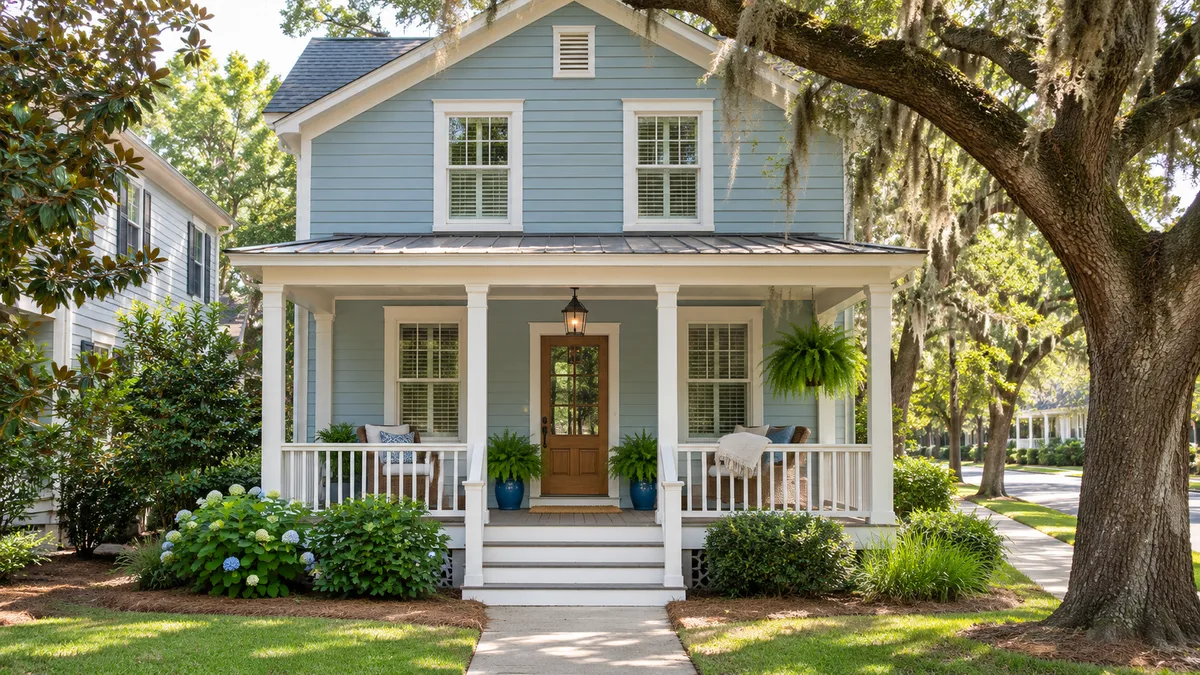
Your plans. Clear choices.
Eligible buyers may use VA or USDA to buy with no down payment. Fees and other cash costs still apply. VA requires qualifying service and lender approval; see VA’s purchase-loan guide.
Many eligible buyers can buy without a down payment and without monthly mortgage insurance. The appraisal and available benefit still matter.

USDA can offer no-down-payment financing for an eligible main home. A rural look or a city name does not decide eligibility.

Compare cash needed for fees, moving, repairs and savings. A smaller down payment does not remove those costs.
If VA or USDA does not fit, another loan may still make buying possible. Compare the full payment and cash required.
USDA’s guaranteed home-loan guide explains its household, main-home and address rules.
Keep your whole plan in view
Compare the full payment, closing costs and savings you’ll keep.
Plan for loan fees, title costs, prepaid interest, taxes and insurance; use the CFPB Loan Estimate guide. If the price exceeds the value the loan supports, ask how to cover the gap.
VA may charge a funding fee unless you are exempt; see VA’s fee and exemption guide. USDA has upfront and ongoing fees. Ask which costs can be added to the loan and how they change your payment.
Keep savings for upkeep and other needs. Gifts or seller credits may help with costs if your loan allows them. Ask the lender about limits and records before counting on that help.
A Certificate of Eligibility shows your VA benefit. The lender still checks your finances and home. Tell us about any past VA loan. VA has no monthly mortgage insurance, but other costs apply.
USDA checks household income and the home’s area. The lender also checks your ability to repay. A city name alone does not show whether a home qualifies.
Ask about the home’s condition, value, insurance and planned use before making an offer. A condo or home needing repairs may need added review. A rental-only home needs another loan.
A fixed rate can keep principal and interest steady. Taxes, insurance and dues can change. Compare the full payment and fees.
Someone to help with the details
We’ll help you understand each step.
The CFPB document guide explains why lenders need proof and sometimes ask for more records. We can tell you what your loan needs and how to provide it.
Our team helps smooth out bumps, keeps you in the loop and explains your loan terms before you sign.
Your wish list leads the way
Compare these options for your home and budget.
Eligible buyers may put as little as 3% down with Fannie Mae’s HomeReady program. Income and other rules apply. Compare private mortgage insurance, or PMI, and the cash you would keep.
FHA offers a small down payment with its own insurance and home rules; see the CFPB FHA guide. Compare total costs with VA and USDA.
Ask which gifts, seller credits or assistance your loan allows. Check funding and any repayment terms before counting on help.
The people behind your next step
Beaufort Lending is a mortgage broker in Port Royal, helping buyers across South Carolina. We shop loans from wholesale lenders, then help you compare payments and closing costs. Our team explains your choices in plain words and helps you see what fits your budget. From your first questions to closing, you have people to turn to for help.
Very knowledgeable about First Time Home Buyer Downpayment Assistance Programs along with 2:1 Buydowns.
Gracie went above and beyond to make my home loan process smooth and stress-free after my previous lender kept delaying my closing.
Easy to communicate with, always available to answer any questions and provided a seamless experience.
Let’s clear a few things up
You may still need cash for closing costs, taxes, insurance or a gap between the price and appraised value. Ask for a written total before choosing a home.
VA and USDA are for homes you plan to live in. Tell us about any rental units so the lender can check your plan.
VA can help first-time and repeat buyers who qualify. USDA has its own income, home and ownership rules. A past purchase does not rule out every option.
A seller can agree to help within the loan’s rules. Ask the lender to check the amount and allowed costs before relying on a credit.
Compare a low-down-payment Conventional or FHA loan. Share your savings and home plans so we can explain those choices.
The Learning Center
Explore useful questions and comparisons for your home plans.
More help with your plans
Plan for your first South Carolina home with a $300,000 example that covers your deposit, closing costs, move and cash to keep in the bank.
Read the guide
More help with your plans
Compare grants, second loans, gifts, and seller credits when you buy a home in South Carolina. See when you may have to pay the money back.
Read the guideMore help with your plans
Compare USDA and FHA for the same South Carolina home. Check which loan may fit, how much cash you need, and what goes into each payment.
Read the guideTell us where you want to buy or own a home. We’ll help you connect your plans to the address.
Your next chapter
Share where you want to buy and your savings goals. We’ll help you compare zero-down and low-down-payment choices.